🧸 Soft. Slow-Rising. Satisfying.

The complete guide to squishy toys, from foam to final squeeze

SoftSquishyToy.com breaks down what squishy toys are made of, how to spot a well-built one, which safety certifications actually matter, and how to keep your collection soft and springy for years. No fluff β€” just the information you need before you buy squishy toys.

Material families explained
4

material families explained

Safety marks covered
6

safety marks decoded

FAQs answered
11

buyer questions answered

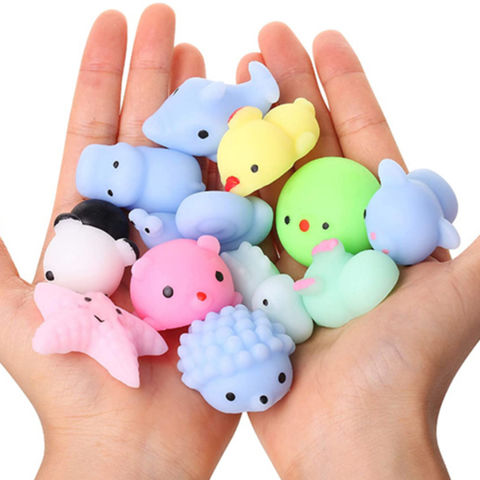
Colorful collection of soft squishy toys shaped like food and animals

Try the slow-rise squish

Press and hold the blob, then let go

A quality squishy rises back in about 3–8 seconds

Material breakdowns β€’ Certification checklists β€’ Age suitability charts β€’ Care & cleaning tips β€’ Honest buying advice
Assorted squishy toys shaped like buns, animals and desserts arranged on a shelf
About squishy toys

What exactly is a squishy toy?

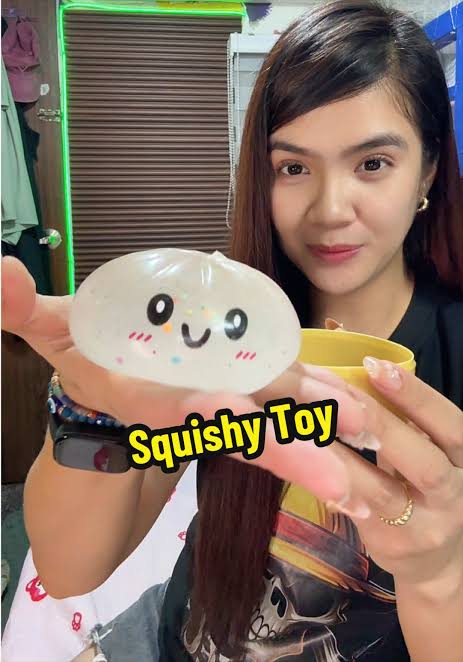
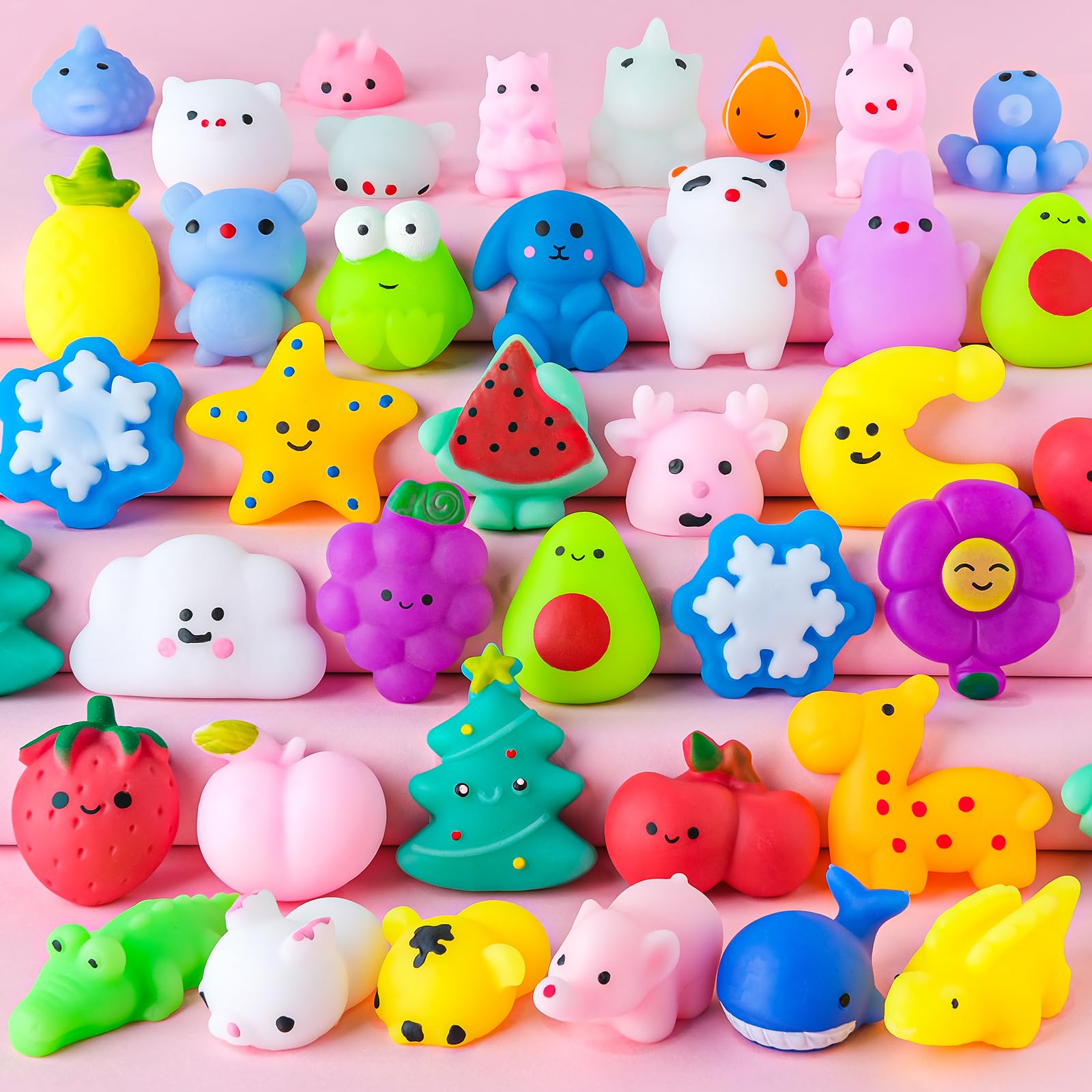
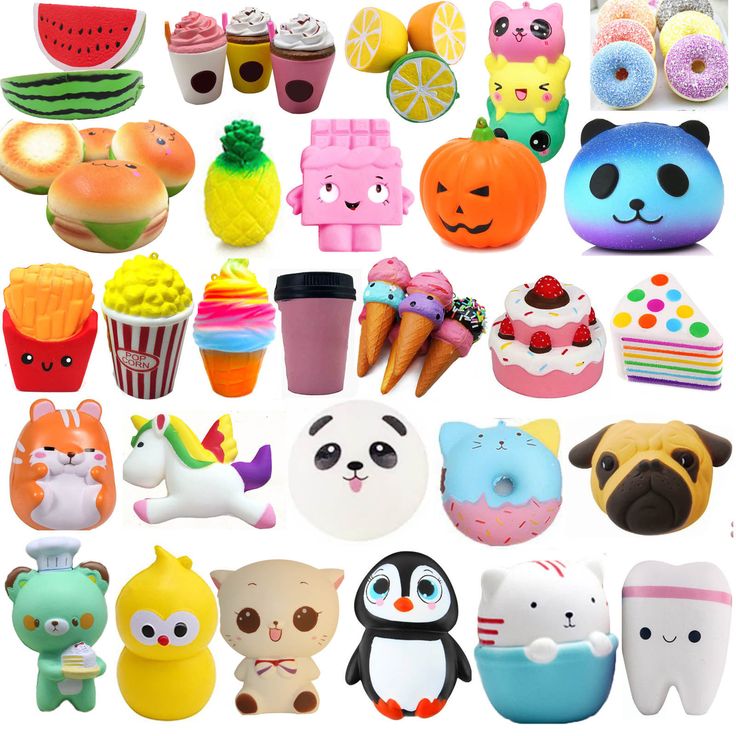
A squishy toy is a soft, squeezable object, usually molded from foam, rubber-like plastic or silicone, that compresses flat under pressure and then gradually returns to its original shape. That gradual rebound is the entire point of the toy: the slower and smoother the rise, the more satisfying the squeeze feels. Squishies are shaped into an enormous range of designs, from steamed buns and slices of cake to cats, axolotls, pandas and cartoon characters, and many are lightly scented to match the object they represent.

The category sits alongside other hand-occupying toys like stress balls, fidget spinners and putty, but the slow-rising texture is what sets a squishy apart. Squeezing one activates the same muscle groups involved in releasing physical tension, and the visual of a shape slowly reforming can be genuinely calming to watch, which is a large part of why the toys are used as sensory and fidget aids as much as they are collected for fun.

A short history, from Japan to a global craze

Squishy toys originated in Japan, where they were sometimes called kawaii squishies, kawaii being the Japanese word for cute. They became widely available in the United States around the spring of 2017 and quickly turned into a social media phenomenon, with unboxing and slow-squeeze videos driving demand among children, teenagers and adults alike. Since then, the category has continued to evolve, with newer viral shapes such as dense, sliceable butter-style squishies and gel-filled dough toys keeping the trend fresh year after year.

Today, squishy toys are sold as everything from inexpensive party-favor items to premium, handmade collector pieces. That wide price and quality range is exactly why understanding the materials and manufacturing behind a squishy toy matters before you buy one, which is what the rest of this guide covers in detail.
Types & materials

The four squishy toy material families

Not every squishy toy is built the same way. Four material families dominate the market, and each one changes how the toy feels, smells, ages and performs. Knowing the difference is the fastest way to shop smarter.

Slow-rising polyurethane foam squishy toy shaped like a bun

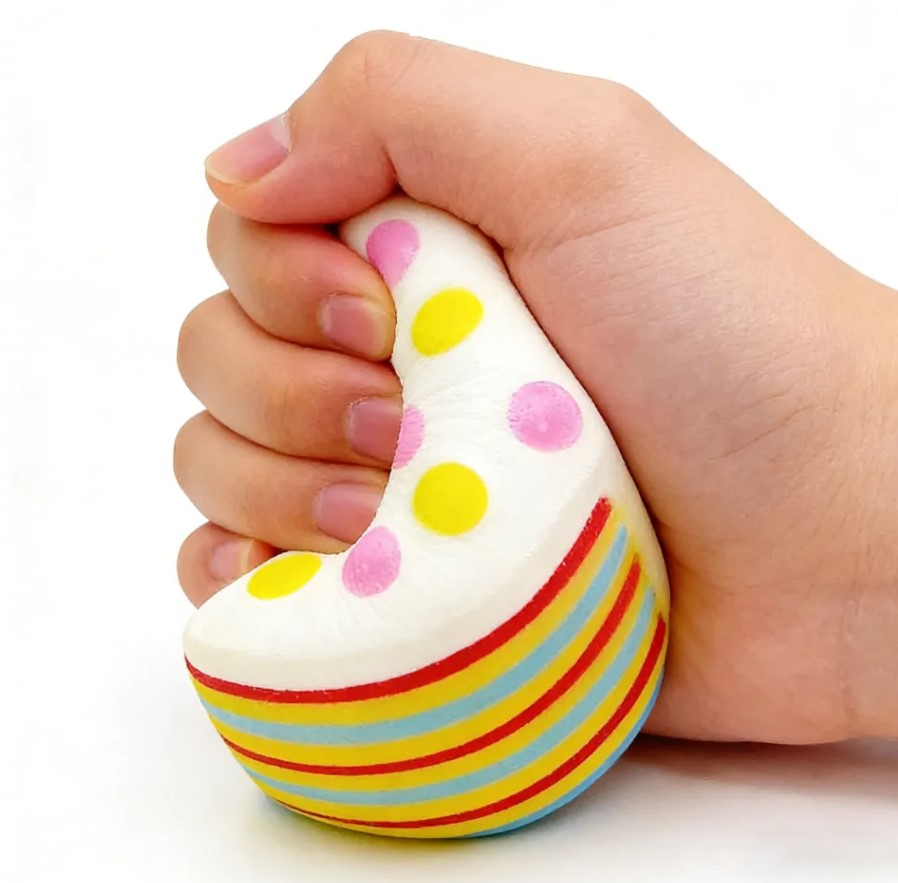
Polyurethane foam squishies

The classic slow-rising squishy, molded from an open-cell foam that lets air move slowly in and out as the shape compresses and expands. This is the material behind most bun, cake and animal-shaped squishies and it offers the most dramatic, gradual rebound of any type. Quality varies enormously depending on how fully the foam is cured before it reaches shelves.

Best for: the classic slow-rise squeeze experience

Stretchy translucent thermoplastic rubber squishy toy

TPR (thermoplastic rubber) squishies

TPR toys are stretchier, springier and often translucent or jelly-like. The base material is the same broad family used in toothbrush grips and toy figures, and it can be manufactured safely, but performance depends heavily on the plasticizers, stabilizers and fillers blended in, so quality between brands varies more than with any other category.

Best for: durable, stretchy, budget-friendly designs

Firm food-grade silicone squishy toy in a bright pastel color

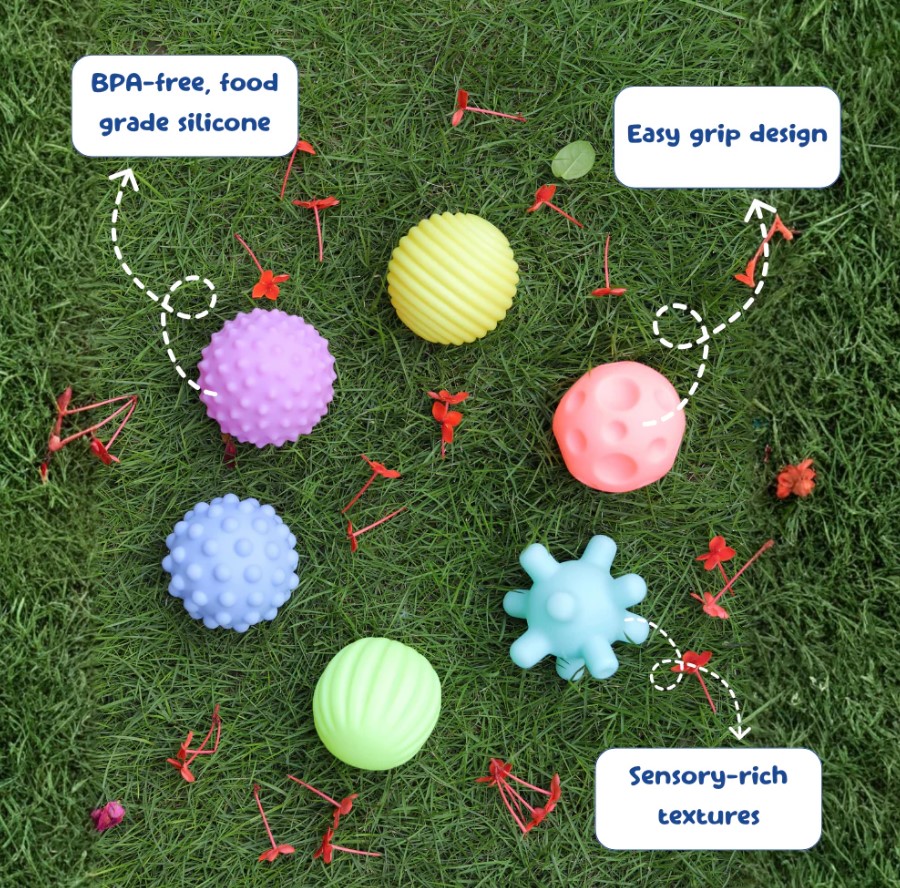
Food-grade silicone squishies

Silicone squishies are firmer, hold their color and shape the longest, and are increasingly marketed as the premium, low-odor choice. They are made by mixing two silicone components together before molding, which allows for textures ranging from watery-soft to clay-firm depending on the mix ratio. They typically cost more but resist tearing and fading noticeably better.

Best for: buyers who prioritize durability and low odor

Dense butter-style squishy toy being sliced with a toy knife

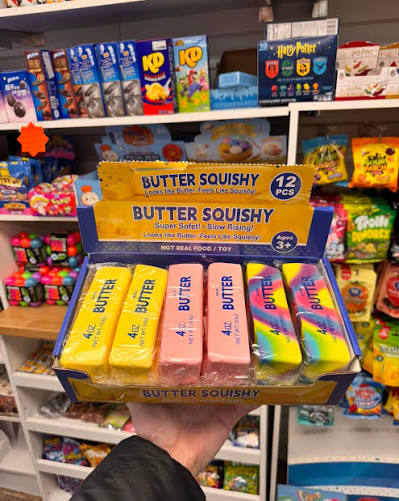
Butter squishies & gel-filled toys

Butter squishies are a newer, viral category prized for a dense, smooth, sliceable feel similar to a stick of cold butter. Gel-filled dough toys use a soft outer shell wrapped around a gel-like filling, giving a different sensory feedback than foam. Both categories generally have less scent than foam, but a break or puncture exposes the filling, so gentle handling matters.

Best for: a smooth, dense, hypnotic squeeze

Why choose squishy toys

Four reasons squishy toys have stuck around

Squishy toys are more than a passing trend. Here is what keeps children, teens, adults and collectors coming back to them.

🧘

Stress relief & sensory regulation

Repeated squeezing gives the hands something to do with tension, and the slow visual rebound is genuinely soothing to watch, which is why squishy toys are widely used as calming and sensory-processing aids.

🎯

Focus & fidget support

Because they keep hands occupied without requiring attention, squishy toys are popular fidget tools for classrooms, offices and anyone who concentrates better with something quiet to hold.

πŸ—‚οΈ

Collectible & display value

Limited runs, blind-box formats and themed sets have turned squishies into a genuine collecting hobby, with shelves and display cases dedicated entirely to a single series or shape.

🎁

Thoughtful, low-cost gifting

Squishy toys work as party favors, stocking stuffers and small thank-you gifts because they are inexpensive, come in an endless variety of shapes, and suit almost any age group above the recommended minimum.

Buying guide

How to choose the best squishy toy

A good-looking squishy is not always a well-made one. Run through these checks before you add anything to your cart.

1

The slow-rise test

A well-formulated squishy takes roughly three to eight seconds to fully return to shape after a firm squeeze. If a listing includes a video, watch the rebound closely: instant snapping back suggests thin, low-density foam, while a rise that takes many minutes usually signals poor foam formulation rather than premium quality.

2

The sniff test

A light, pleasant scent is normal, but a sharp, solvent-like smell is a sign of off-gassing from an incompletely cured foam. Reviews that mention the toy needing to air out for days, or a smell that never fades, are a reason to look elsewhere.

3

Certification marks to look for

Check the listing or packaging for ASTM F963 compliance in the United States, EN71 compliance in Europe, a CE mark, or CPSIA-related testing information. These marks indicate the product has been tested against recognized toy safety standards for chemical and physical properties.

4

Match the toy to the age group

Small, detachable pieces and soft foam that tears easily can be a choking hazard for young children. Always check the listed minimum age and choose larger, more durable designs for children who are likely to bite or pull the toy apart.

5

Read reviews before you buy

Genuine buyer photos and comments about smell, rise time and durability tell you far more than a product description. A seller with a real return address and responsive customer service is also more accountable than an anonymous listing.

Quick pre-purchase checklist

  • βœ“Rise time looks smooth and takes several seconds, not instant
  • βœ“Scent is mild, or the listing notes it is unscented
  • βœ“A recognized safety certification is listed or shown on packaging
  • βœ“The minimum recommended age matches the intended user
  • βœ“Material is clearly stated: foam, TPR, silicone or gel-filled
  • βœ“Recent buyer reviews mention good build quality and no strong odor
  • βœ“Seller has clear photos of the actual product, not just stock art
Shop Now
Build materials & quality control

How a squishy toy is actually built

Manufacturing a foam squishy starts with mixing polyurethane resin with pigments, fragrance and softening agents, then pouring the mixture into a mold. The mixture reacts and expands, forming an open-cell foam structure with millions of tiny air pockets, which is exactly what gives the finished toy its lightweight, spongy, slow-rebounding feel. The mold is left to cure fully before the toy is trimmed, coated and packaged.

Silicone squishies follow a different process: two silicone components are hand mixed in a controlled ratio, poured into a mold, and left to set, with the ratio directly controlling how soft or firm the final piece feels. TPR and butter-style squishies are typically heated, injected or hand-poured into molds depending on the manufacturer's equipment and the finish they are aiming for.

Where quality control matters most

The single biggest quality variable is curing time. Foam that is rushed out of the mold before it finishes curing releases more volatile organic compounds and rebounds unevenly. Reputable manufacturers hold stock longer, test batches for chemical content, and follow recognized toy safety frameworks including ASTM F963 in the United States, EN71 in the European Union, and CE marking requirements, in addition to general consumer product safety rules such as CPSIA in the US.

Independent lab testing typically screens for restricted substances such as phthalate plasticizers, heavy metals like lead and cadmium in pigments, and solvent residues such as toluene, xylene and dimethylformamide. Buying from sellers who can point to this kind of testing is the clearest way to avoid the lowest-quality end of the market.

Close-up of a squishy toy safety certification label being inspected

Red flags of a poorly made squishy

  • β€’Sharp, gasoline-like or acrid chemical smell that does not fade after airing out
  • β€’No listed material, certification or country of manufacture
  • β€’Uneven coloring, visible air bubbles, or a rough, flaking coating
  • β€’Rebound that is instant, extremely slow, or inconsistent across squeezes
  • β€’Seams that split or tear with light, normal handling
Quick reference

Squishy toy materials, side by side

Material Texture Typical scent Durability Typical price
Polyurethane foam Light, spongy, dramatic slow-rise Can be noticeable when new Moderate; softens with heavy use Low to mid
TPR (thermoplastic rubber) Stretchy, springy, jelly-like Usually mild Good; resists tearing Low
Food-grade silicone Firm, smooth, dense Minimal to none Excellent; holds shape and color Mid to high
Butter / gel-filled Dense, smooth, sliceable Usually mild Fair; fillings can leak if punctured Low to mid
Age suitability guide

Which squishy toys suit which age group

Squeeze strength, biting risk and supervision needs change a lot across age groups. Use this as a starting point, then check the specific product listing for its recommended minimum age.

Under 3 years

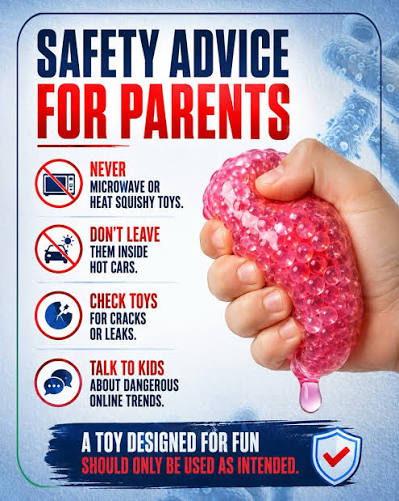
Avoid foam and TPR squishies entirely. Choose certified, age-appropriate teething or sensory toys designed specifically for infants and toddlers instead.

3 to 6 years

Choose only certified products, pick larger and more durable shapes, and supervise play since this age group is most likely to bite or tear a squishy.

7 to 12 years

Generally suitable with reputable, well-reviewed squishies. Teach children not to chew, cut open or pull apart their toys to extend how long they last.

Teens & adults

Lowest overall risk. Still worth airing out a brand-new squishy for a day or two and avoiding anything with a persistent chemical smell.

Hand gently wiping a squishy toy clean with a damp soft cloth
Care & maintenance

Keeping your squishy toys soft and springy

Cleaning

Wipe the surface gently with a soft cloth lightly dampened with mild soapy water, then let it air dry completely before squeezing again. Never soak a foam squishy or run it through a washing machine, since trapped water can break down the foam or encourage mold to grow inside it.

Storage

Store squishy toys in a cool, dry place away from direct sunlight, which can fade colors and dry out the surface coating over time. Keep them away from sharp objects, pet claws and anything that could puncture the outer layer.

When to retire a squishy

Discard a squishy once it develops tears, cracks, a permanent dent that will not rise back, or a smell that was not there when it was new. These are all signs the material is breaking down and it is time to replace the toy.

Popular categories

Popular squishy toy shapes and themes

Food-shaped squishies

Buns, toast, sushi, cake slices and avocados remain some of the most popular shapes thanks to their realistic detail and satisfying, dense squeeze.

Animal squishies

Cats, pandas and axolotls are consistent favorites, particularly with younger children, and tend to come in smaller, round, easy-to-grip sizes.

Character & blind-box squishies

Licensed and original character designs sold in surprise blind-box formats have turned squishy collecting into a genuine hobby with trading and display culture.

Jumbo squishies

Oversized versions of popular shapes make dramatic desk or shelf pieces and give a longer, more exaggerated slow-rise squeeze.

Gel-filled dough squishies

A soft outer shell wrapped around a stretchy, gel-like filling offers a different sensory feedback than foam and is popular for pure fidget use.

Butter-style squishies

A dense, smooth, sliceable design that went viral for how hypnotic it looks in slow-motion squeeze videos, now a category of its own.

What our readers say

Real feedback from squishy toy shoppers

Notes shared by readers after using our buying checklist to pick their own squishy toys.

β˜…β˜…β˜…β˜…β˜…

Checking for the certification mark before ordering saved me from two listings that had no safety information at all. The one I picked has zero smell and a perfect slow rise.

Renata M., parent of two

β˜…β˜…β˜…β˜…β˜…

I used the material comparison table to switch from cheap foam to a silicone squishy for my desk. It has held its shape for over a year with daily use.

Daniel O., office fidgeter

β˜…β˜…β˜…β˜…β˜†

The slow-rise and sniff test tips were genuinely useful. I now watch the unboxing videos on listings before buying anything, and it has cut down on returns completely.

Priya S., squishy collector

FAQs

Frequently asked questions about squishy toys

Most squishy toys are made from soft polyurethane foam, an open-cell foam that compresses under pressure and slowly expands back to its original shape. Other common materials include thermoplastic rubber, food-grade silicone, and gel-filled outer shells, each giving the toy a different texture, stretch and price point.

Well-made squishy toys that carry recognized safety certifications are generally considered safe for children above the recommended age range. Lower-quality, uncertified squishies can raise concerns because of chemical off-gassing, so checking for certification marks and buying from reputable sellers matters more than the price tag.

Slow-rising describes how gradually a squishy toy returns to its original shape after being squeezed flat. A well-formulated foam typically takes around three to eight seconds to fully rebound. A toy that snaps back instantly, or one that takes many minutes, usually points to lower foam quality.

Look for an even, moderate rise time, a mild or neutral scent rather than a sharp chemical smell, a smooth unbroken outer coating, consistent color, and a visible safety certification such as ASTM F963, EN71 or CPSIA compliance on the packaging.

A strong chemical odor is usually a sign of off-gassing, meaning the foam is releasing volatile organic compounds as it cures. Reputable manufacturers cure their foam fully and use cleaner formulations, so the scent fades quickly. A smell that lingers for weeks is a warning sign to stop using the toy.

Most squishy toys are recommended for children aged six and up because of choking and ingestion risk with smaller pieces. Toddlers and infants should be kept away from foam and rubber squishies entirely and given age-appropriate teething or sensory toys instead.

Wipe the surface gently with a soft cloth lightly dampened with mild soapy water, then leave it to air dry completely before squeezing it again. Never submerge a foam squishy in water or place it in a washing machine, since trapped moisture can encourage mold inside the foam.

PU foam squishies are the classic slow-rising type with an open-cell structure. TPR squishies are stretchier, more rubber-like and often translucent. Silicone squishies are firmer, food-grade and tend to hold their shape and color the longest, usually at a higher price.

With gentle handling and proper storage away from direct sunlight and sharp objects, a well-made squishy toy can stay in good condition for many months to a couple of years before the foam starts to lose its bounce or the surface coating cracks.

Yes. The repetitive squeezing motion engages the same muscles associated with physical tension release, and many people find the slow-rise visual and tactile feedback calming, which is why squishy toys are widely used as fidget and sensory aids.

Squishy toys are widely available from specialty toy retailers, department stores and major online marketplaces. Buying from a seller with clear product photos, material information and verified reviews makes it easier to judge quality before your order arrives.

Ready to find your next squishy toy?

You now know what to look for: material, rise time, scent and certification. Take that checklist with you and shop with confidence.

Shop Now